
Table of Contents+
- AI Visibility Audit and Report for Bars and Drinking Places
- Your Bar Is More Than a Place That Serves Alcohol
- What ChatGPT, Claude, and Gemini Might Get Wrong About Drinking Places
- Why Customer Occasions Matter in AI Recommendations
- Your Competition Is Not Limited to Other Bars
- Changing Drinking Habits Make Accurate Descriptions More Important
- What the $495 AI Visibility Audit and Report Examines
- What If a Competing Bar Appears Instead of Yours?
- Why Independent Analysis Matters
- Find Out What AI Actually Understands About Your Drinking Place
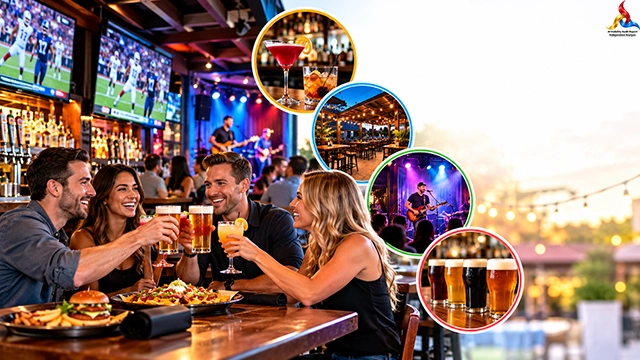
AI Visibility Audit and Report for Bars and Drinking Places
Your bar might be exactly what someone wants for a Friday night, a quiet conversation, a sporting event, or a celebration. But when that person asks ChatGPT, Claude, or Gemini where to go, does the AI understand what makes your establishment the right choice?
An AI Visibility Audit and Report for Drinking Places examines how these three AI platforms describe your business, recognize your offerings, and determine when your establishment belongs in a customer recommendation.
For $495, you receive an independent investigation documenting what the platforms understand, what they overlook, and which findings deserve your attention.
Your Bar Is More Than a Place That Serves Alcohol
Drinking places include neighborhood bars, taverns, cocktail lounges, nightclubs, and other establishments primarily serving alcoholic beverages for consumption on the premises.
But these establishments are not interchangeable.
A neighborhood tavern where regular customers gather after work serves a different purpose from a cocktail lounge specializing in carefully prepared drinks. A sports bar attracting fans for a particular game operates differently from a nightclub featuring live DJs and dancing.
Your business might offer several experiences depending on the day or time.
These distinctions matter when customers ask AI platforms for recommendations.
Someone looking for a quiet cocktail bar probably doesn’t want a crowded dance floor. A group hoping to watch a championship game needs more than a venue that happens to have televisions. Customers organizing a birthday celebration may need reserved seating, private space, or specific entertainment.
An AI platform that recognizes your establishment as a bar but misunderstands its atmosphere, services, or customer occasions might not represent it accurately.
Knowing your business exists is not the same as understanding when customers should choose it.
What ChatGPT, Claude, and Gemini Might Get Wrong About Drinking Places
Consider how much information defines a customer’s experience before they ever walk through your door.
Your operating hours, beverage selection, entertainment schedule, food availability, reservation policies, and atmosphere all help customers decide whether your establishment fits their plans.
Now consider how that information might be interpreted by an AI assistant.
Confusing Your Type of Establishment
A cocktail lounge might be described as a nightclub. A neighborhood tavern might appear among recommendations for upscale dining. A sports bar might be recognized for its drinks while its primary attraction, showing major sporting events, goes unmentioned.
These are examples of potential errors, not findings about any particular establishment.
The important question is whether the platform understands the actual experience you provide.
Misrepresenting Drinks and Food
Your beverage offerings can distinguish your business from competitors.
A bar specializing in craft beer has a different appeal from a wine bar or a lounge known for original cocktails.
AI descriptions could overlook these distinctions, mention items no longer available, or assume your establishment serves products it doesn’t offer.
Food creates another possible misunderstanding.
Some drinking places offer limited snacks, others maintain extensive menus, and some emphasize beverage service without operating as conventional restaurants.
Customers comparing establishments need accurate information about what they can actually order.
Missing Entertainment and Special Events
For many drinking places, entertainment is a significant reason customers visit.
Live music, karaoke, trivia nights, sporting events, DJs, and other activities can influence which establishment a customer chooses.
These offerings also change.
A recurring event may be discontinued. A performance schedule might be seasonal. A venue might provide entertainment only on certain nights.
If an AI platform relies on outdated information or overlooks your current programming, its description may fail to reflect why customers visit.
Getting Important Visit Details Wrong
Sometimes a customer’s decision depends on something more practical than the drink menu.
Does your establishment take reservations? Is there a cover charge? Does a reserved table require minimum spending? Are private events available? Is there an accessible entrance?
Your answers may determine whether a customer can or wants to visit.
An AI description that confuses a table reservation with guaranteed seating, or assumes a nightclub accepts walk in groups without an admission charge, can create incorrect expectations.
An independent audit helps establish whether the platforms are representing these details correctly.
Why Customer Occasions Matter in AI Recommendations
Customers don’t always start by searching for a particular bar. They may start with what they want to do.
Consider these possible requests:
- Where can we watch the football game and have drinks?
- What’s a quiet cocktail lounge for a date?
- Which bars have live music on Saturday?
- Where can we celebrate a birthday with a group?
- Are there wine bars with knowledgeable staff?
- Which places offer good nonalcoholic cocktails?
- Where can we have drinks and conversation without loud music?
Each question represents a different reason for choosing a drinking place.
A business may fit several of these situations, but not all of them.
For example, a cocktail lounge may have comfortable seating and experienced bartenders, making it suitable for conversation and drink exploration. That doesn’t establish whether it accommodates large celebrations or offers live entertainment.
Likewise, a sports bar might provide excellent game viewing while being unsuitable for someone seeking a quiet evening.
An AI visibility investigation should examine more than whether the business name appears in a response.
It should explore whether the platforms understand who the establishment serves, what customers can experience, and when recommending it makes sense.
These distinctions are especially important for drinking places because the customer purchases an experience alongside the beverage.
Your Competition Is Not Limited to Other Bars
A neighborhood tavern may compete with nearby sports bars, restaurants, brewery taprooms, and entertainment venues.
A cocktail lounge might compete with hotel lounges, upscale restaurants, and specialty beverage establishments.
Nightclubs compete for customers interested in music and dancing, but those customers also have other entertainment choices.
The relevant competition depends on the occasion.
This creates an important question for owners:
When customers compare places for a particular evening, do AI platforms recognize what makes your establishment different?
Suppose your business specializes in expertly prepared cocktails and offers an atmosphere suitable for conversation.
A competing establishment may offer similar drinks but emphasize loud music and dancing.
Both serve alcohol. Both might be located in the same neighborhood. Yet they are not necessarily competing for the same customer occasion.
If AI descriptions fail to recognize that difference, customers may receive recommendations that don’t properly distinguish between the establishments.
An accurate competitive investigation needs to evaluate each business individually before comparing them.
Changing Drinking Habits Make Accurate Descriptions More Important
The drinking place industry is not standing still.
Gallup’s July 2026 research found that 54% of American adults reported drinking alcohol, compared with 62% in 2023. Its findings also indicate increased concern about the health effects of drinking.
That doesn’t mean customers have stopped visiting bars or that every drinking place is experiencing the same changes.
It does, however, provide useful context for understanding why establishments may serve a broader variety of customer preferences.
A group might include people ordering cocktails, beer, nonalcoholic drinks, or food.
Your establishment may have developed offerings that accommodate those different preferences.
But does AI recognize them?
A cocktail lounge offering carefully developed nonalcoholic drinks might appeal to customers seeking the atmosphere of a bar without consuming alcohol. A tavern might provide food and social activities that matter as much as its beverage selection.
Whether these offerings attract customers depends on the individual business and market.
The audit does not predict changes in alcohol consumption or future demand. It investigates whether the platforms accurately understand and communicate what your establishment offers today.
What the $495 AI Visibility Audit and Report Examines
The AI Visibility Audit and Report investigates your business independently across ChatGPT, Claude, and Gemini.
Each platform receives 15 structured diagnostic questions examining how it understands and represents your company. A sixteenth question asks the platform to recommend actions based on its preceding responses.
That produces 48 responses across the three platforms.
The investigation evaluates seven dimensions of AI understanding:
- What your business is: Whether the platform correctly identifies your establishment and its business type.
- What you offer: Whether it understands your beverages, food, entertainment, and other relevant services.
- Who your business serves: Whether it recognizes the customers and occasions your establishment is suited to.
- What makes you different: Whether it identifies meaningful distinctions between your establishment and alternatives.
- When you belong in recommendations: Whether it understands situations in which customers should consider your business.
- What is wrong, missing, or confused: Whether the responses contain inaccuracies, omissions, outdated details, or misunderstandings.
- Agreement across platforms: Whether ChatGPT, Claude, and Gemini present a consistent understanding of your business.
The findings are evaluated and presented in a complete PDF report.
You receive the individual platform findings, the platforms’ recommendations presented separately, and my independent analysis and recommendations.
This means you are not left interpreting a collection of disconnected AI answers.
You receive a structured assessment of what those answers reveal and what deserves attention.
You can learn more about the investigation in Our Approach.
What If a Competing Bar Appears Instead of Yours?
Sometimes the question isn’t simply what AI knows about your business.
It’s how AI represents your establishment compared with a particular competitor.
For that, the AI Visibility Audit and Competitive Comparison is available for $895.
This is a separate report product that includes two complete independent audits, one for your establishment and one for a competitor you identify.
Both businesses are evaluated using the same structured methodology.
The investigation compares ChatGPT findings with ChatGPT findings, Claude with Claude, and Gemini with Gemini.
You receive three complete PDF documents: your business audit, your competitor’s audit, and a separate competitive comparison report.
For example, you may want to understand whether AI recognizes your live entertainment, specialist beverage selection, or private event facilities while discussing a competing establishment differently.
The report documents the actual findings, whether they favor your business, your competitor, or neither.
Its purpose is accurate competitive intelligence, not manufacturing a favorable result.
Why Independent Analysis Matters
An AI platform can provide information about your bar, but a single response doesn’t establish whether that information is accurate or representative of what other platforms might say.
ChatGPT might understand your business differently from Claude or Gemini.
One could recognize your cocktail specialization while another focuses primarily on your location or general business category.
A third might provide a description containing outdated information.
The value of the audit comes from examining those responses systematically, identifying material differences, and interpreting their significance for your business.
This is the work I perform as an independent analyst.
The report does not promise that your establishment will appear more frequently in AI recommendations, receive additional reservations, or generate increased sales.
It provides documented findings and recommendations that can help you decide what information or representation issues deserve further investigation or corrective action.
You can learn more about my background on the About Frank Masotti page.
Find Out What AI Actually Understands About Your Drinking Place
You already know the experience your establishment is intended to provide.
You know whether customers visit for conversation, cocktails, familiar faces, sporting events, entertainment, or special occasions.
The unanswered question is whether ChatGPT, Claude, and Gemini understand those same things when people ask about your business.
A $495 AI Visibility Audit and Report provides an independent examination of that question, supported by structured findings across all three platforms.
If you also want to understand how your establishment compares with a particular competitor, the separate $895 competitive report examines both businesses.
Compare Reports and Pricing to choose the investigation that answers your business question.

About Frank Masotti and his experience
Frank Masotti personally conducts every AI Visibility Audit and Report for Bars and Drinking Places.